Dana Weber · 1 October 2026
The Role of Botanical Inspirations in Shaping Pigment Choices for Modern Interior Surfaces
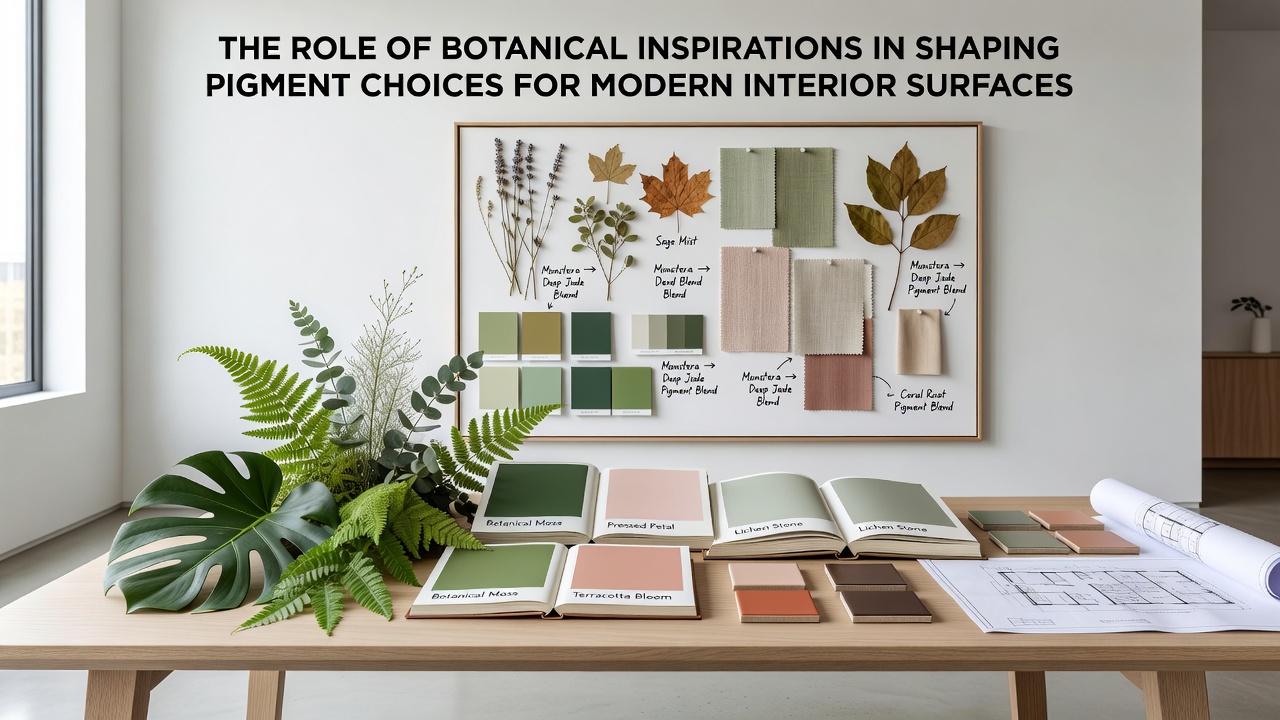
Botanical inspirations have long guided pigment selection for interior surfaces, drawing from plant structures, leaf patterns, and seasonal color shifts that translate into durable coatings for walls, floors, and furnishings. Researchers trace this influence through centuries of material development where extracts from roots, berries, and bark provided stable hues before synthetic alternatives emerged, yet recent data shows renewed interest in plant-based options for modern applications.
Historical Foundations of Plant-Derived Pigments
Ancient civilizations extracted colors from indigo plants and madder roots to coat surfaces in dwellings across Asia and the Mediterranean, establishing early connections between botanical sources and interior finishes. Those who study pigment history note that these natural dyes offered limited lightfastness until processing techniques improved in the 18th century, when European manufacturers combined plant matter with mineral binders to create more resilient interior paints. Evidence from archaeological sites reveals consistent use of chlorophyll-based greens and anthocyanin reds in decorative schemes that mirrored surrounding vegetation, a practice that continued into the industrial era even as coal-tar derivatives gained popularity.
Scientific Mechanisms Behind Botanical Color Influence
Modern analysis demonstrates how molecular structures in plants such as flavonoids and carotenoids directly inform pigment formulations that resist fading on interior surfaces. Studies conducted at research institutions across Canada and the European Union reveal that certain botanical compounds bind effectively with acrylic and epoxy resins, producing stable pigments suitable for high-traffic floors and walls. Data collected through spectrophotometry indicates these plant-inspired colors maintain chromatic integrity under controlled indoor lighting conditions, prompting manufacturers to incorporate bio-based additives that replicate the visual depth found in living foliage.
Current Applications in Residential and Commercial Settings
Interior designers now specify pigments derived from turmeric rhizomes and spirulina algae for accent walls in hospitality spaces, where the resulting yellows and blues create environments that reference natural landscapes without direct replication. Figures from industry reports show increased specification of these options in projects completed during 2025, particularly in regions emphasizing biophilic design principles. Observers note that surface coatings inspired by eucalyptus bark textures and fern leaf structures appear frequently in office renovations, delivering matte finishes that reduce glare while echoing outdoor palettes. In October 2026, several manufacturers plan to release expanded lines of plant-extract pigments formulated for low-VOC interior applications, aligning with updated environmental standards from regulatory bodies in Australia and Japan.
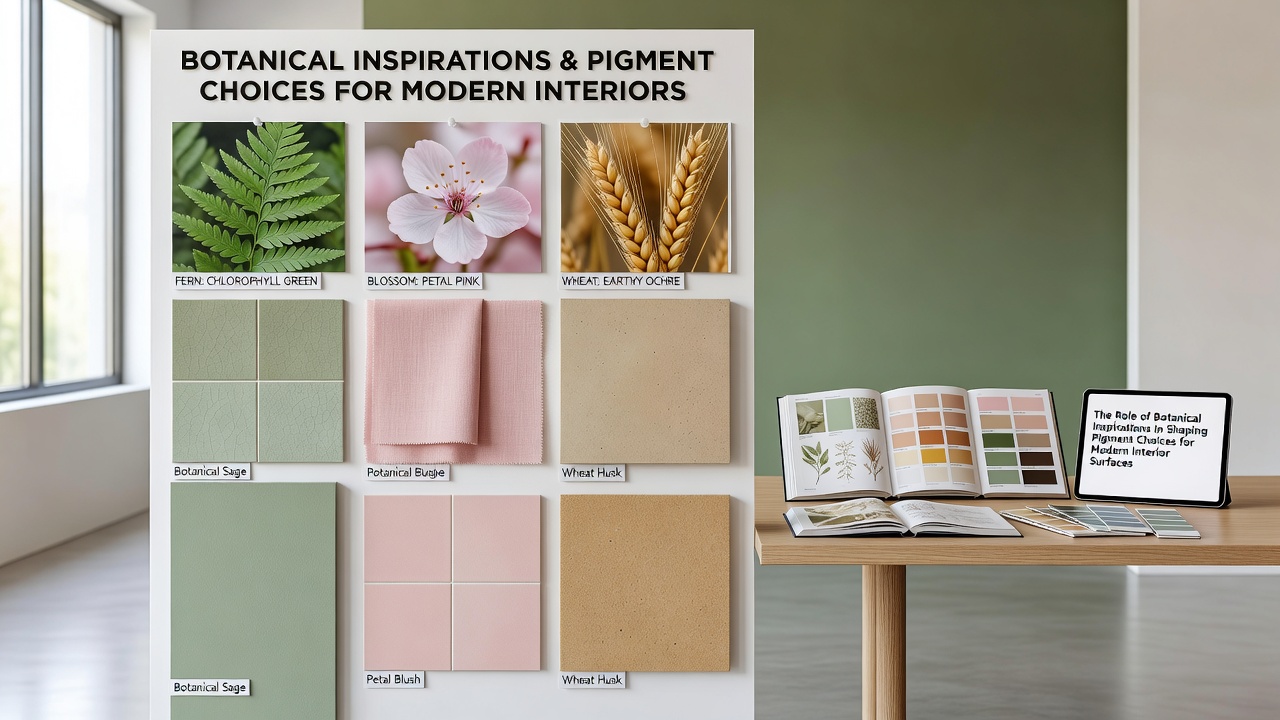
One research team documented how pomegranate rind extracts yield tannins that enhance adhesion in water-based paints, a finding that has influenced product development for commercial flooring systems. Those applying these pigments report consistent performance across varying humidity levels, which supports their adoption in diverse climates from temperate zones to subtropical interiors.
Material Innovations and Production Trends
Advances in extraction technology allow producers to isolate specific botanical compounds at scale, transforming what were once artisanal processes into standardized manufacturing methods for interior surface coatings. Reports from academic centers in Scandinavia highlight how enzymatic treatments stabilize plant pigments against oxidation, extending their usable lifespan on painted surfaces. This development coincides with broader shifts toward circular material flows, where agricultural byproducts serve as feedstock for pigment synthesis rather than waste streams. Industry data indicates that such methods reduce reliance on petroleum-derived colorants while preserving the spectral qualities that make botanical references appealing in contemporary design schemes.
Conclusion
Botanical inspirations continue to shape pigment choices through documented scientific linkages and evolving production techniques that meet current performance requirements for interior surfaces. Research findings and manufacturing records demonstrate sustained integration of plant-derived colorants into modern applications, supported by regulatory frameworks and material innovations observed across multiple regions. These patterns reflect ongoing adaptation of natural sources to functional coatings without reliance on subjective preference.